


Ida Axholm: Understand your four-season cycle and create more everyday well-being
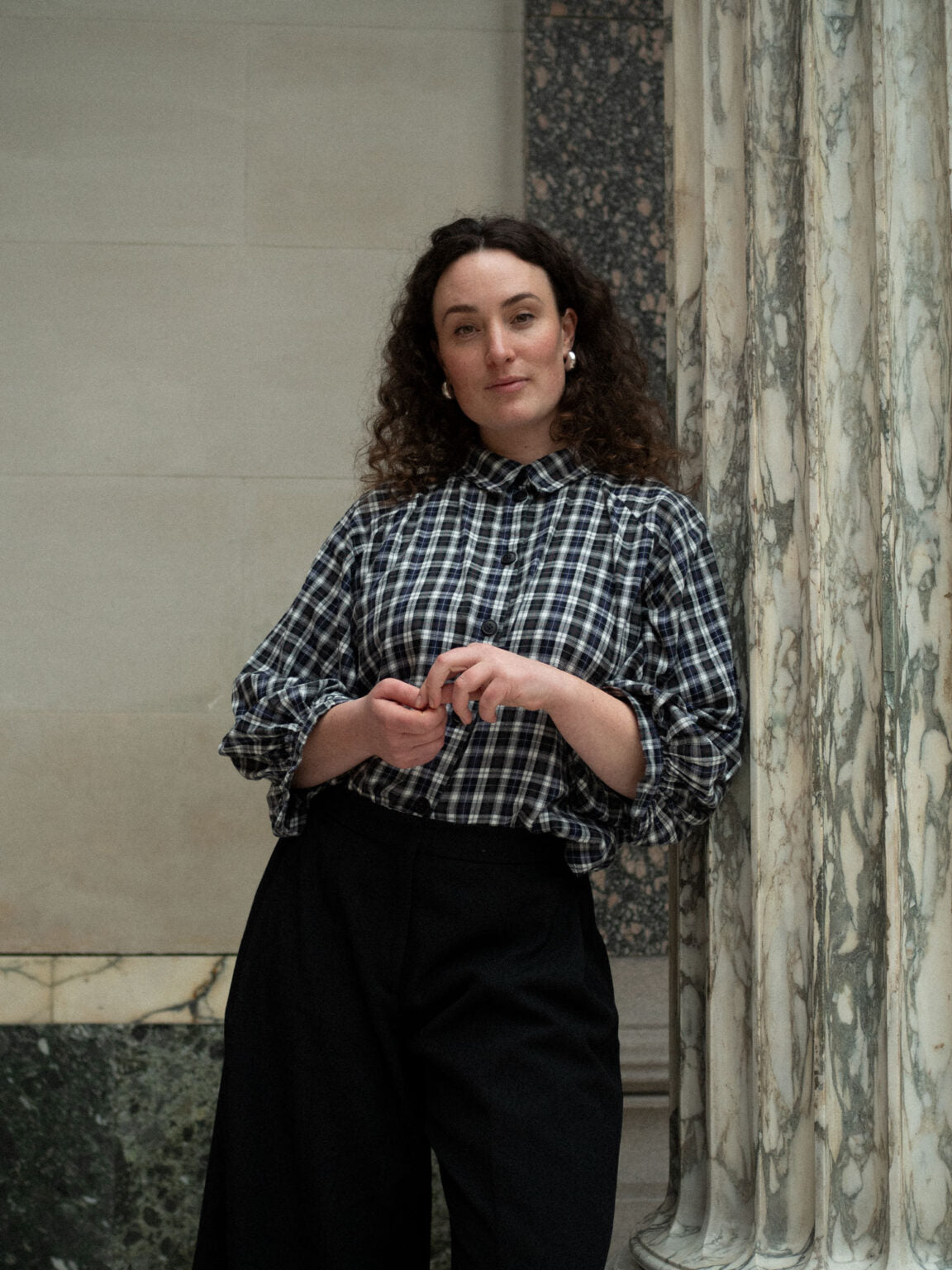
Just as nature shifts between the budding energy of spring, the full force of summer, the reflection of autumn and the rest of winter, the female body also moves through its own cycle month after month. When we understand and respect these phases, we can create more everyday well-being by living in step with our inner rhythm – instead of pushing ourselves to constantly perform the same. Cycle mediator and molecular and medicinal biologist Ida Axholm is passionate about spreading knowledge about the internal seasons of the female body and natural contraception. She combines her scientific background with a holistic approach and conveys her knowledge through lectures and online cycle courses, where she guides women to a deeper understanding of their bodies. By getting to know your cycle, you can more easily identify changes in mood and energy levels and take them into account in everyday life. It can also lead to increased understanding and care for yourself, when you understand how hormones affect both body and mind throughout the cycle.

From birth control pills to cyclical lifestyle
Ida's interest in the female cycle began during her studies, when she became aware of the potential side effects of hormonal contraception. For Ida, it was crucial to get to know her body without artificial hormones and to gain a deeper understanding of how her cycle works.
"Many people may not be 30 until they stop taking birth control pills, and then they find out that there is something wrong with their cycle that makes it difficult to get pregnant. I became so curious about what was happening 'inside' my birth control pills."
Ida's desire to learn more about the female cycle started as a personal project but later led to a new career path. Today, she makes a living by sharing her knowledge through lectures and online cycle courses.

The four seasons in the cycle
To help women navigate their cycle, Ida compares the four phases of the cycle to the seasons:
Winter (menstruation) "It is a time for calm and reflection, where the body needs rest. Many feel more introverted and have a greater need for self-care. It can be beneficial to slow down and prioritize gentle movement, warm meals and time alone." Spring (follicular phase) - Energy levels rise and creativity flourishes. This is a time when you can take initiative for new projects and feel more motivated. Many experience an ease and desire to socialize, making it an ideal time to plan meetings, training, and new beginnings during this phase. Summer (ovulation) - Many people experience a sense of euphoria and social excitement. It is a period when we typically feel most outgoing, charming, and energetic – and when our sex drive is at its highest. This is when we can take advantage of our natural confidence and charisma in social and professional settings. Autumn (luteal phase) - Here you may feel the need to withdraw and reflect. It is a time when the body prepares for menstruation, and when many experience emotional fluctuations. It is important to give yourself space to rest, be more selective with your appointments and take into account your changing needs.
When we live in sync with our cycle, it becomes easier to understand why our energy and mood fluctuate. Instead of counteracting our body's signals, we can use this knowledge to create a daily life where we are more in balance with ourselves.

Natural contraception and body awareness
In addition to creating a deeper understanding of the body, this approach can also be used for natural contraception.Ida explains how women can keep an eye on two fertility signs to navigate their cycle without hormones:
"The discharge changes with the cycle, and in the days leading up to ovulation it becomes transparent with a consistency like raw egg white, which creates the perfect environment for sperm. At the same time, you can measure your temperature, which increases by 0.20 C degrees after ovulation. When the fertile window is closed, you can have unprotected sex without risk of pregnancy for the rest of the cycle, while up to and during ovulation you can use barrier methods such as condoms or diaphragms"
For many, however, hormone-free contraception is about more than just avoiding an unwanted pregnancy. It's about achieving a stronger connection to your body and its natural rhythms. When we understand our cycle and the hormonal changes it entails, we become better able to take care of ourselves and meet our own needs. This can be planning work and social activities according to one's energy, practicing gentle movement during periods when the body needs rest, or accepting emotional fluctuations as a natural part of the cycle.
"You can't expect the same thing from yourself every day. Your body does a huge amount of work during your cycle, and as your hormone levels change, so do your energy, mood, and needs."
When we begin to understand our cycle as a natural rhythm that guides us through life, we can better meet our own needs and create more balance. Instead of fighting against our changing energy, we can learn to work with it – and thereby create more energy, well-being and self-love in our everyday lives.